
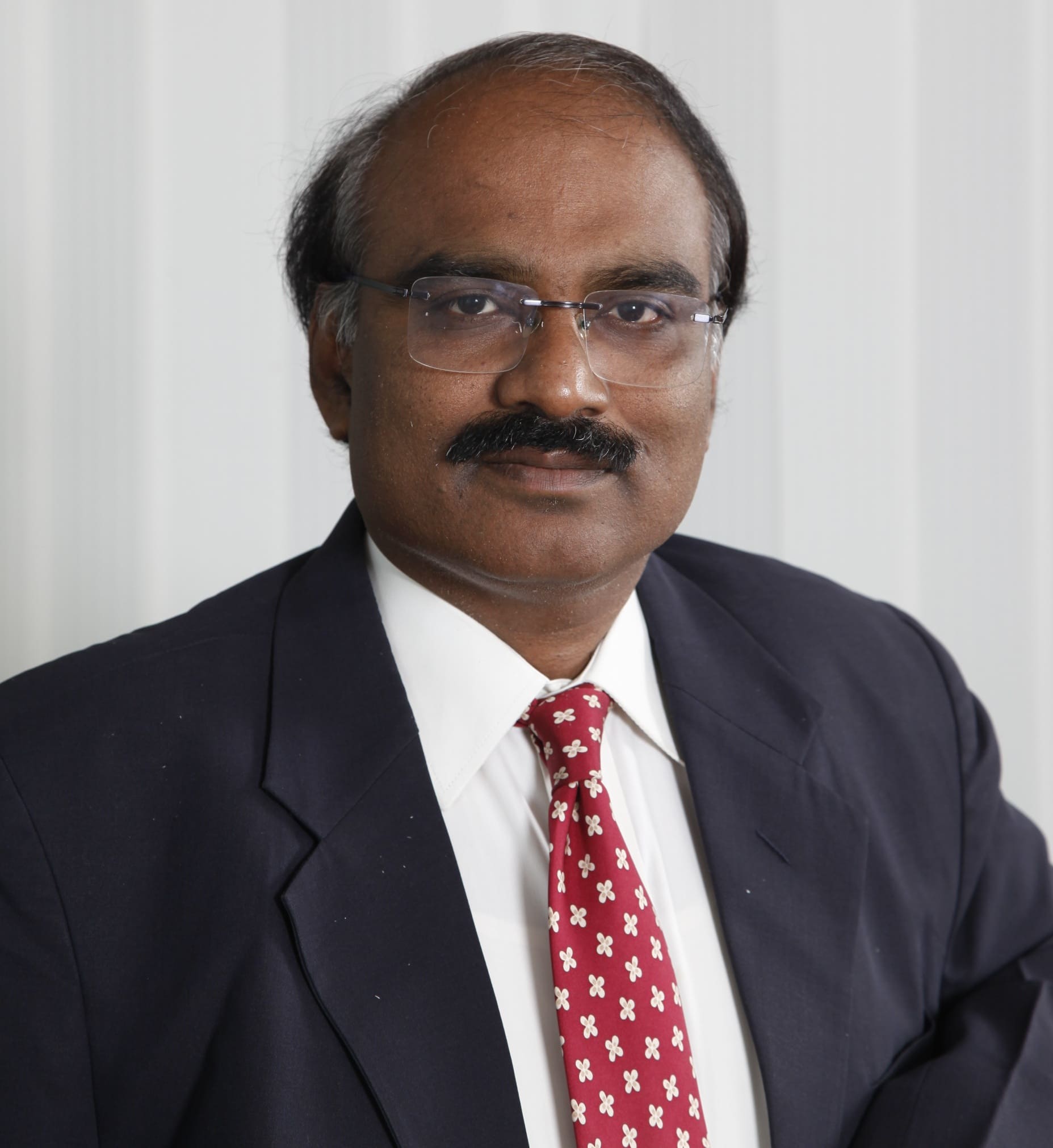
Professor D. Prabhakaran is a cardiologist and epidemiologist by training. He is an internationally renowned researcher and is the Executive Director of the Centre for Chronic Disease Control, New Delhi. He is currently the President-Elect of the World Heart Federation and the immediate past Chair of the International Society of Cardiovascular Epidemiology and Prevention.
His work spans from mechanistic research to understanding the causes of increased propensity of cardiovascular diseases (CVD) among Indians to developing solutions for CVD through translational research and human resource development. Prof. Prabhakaran is a Fellow of the Royal College of Physicians, UK, a Fellow of the National Academy of Sciences, India, a Fellow of the Indian National Science Academy and an Adjunct Professor at the Emory University. He has received funding from NHLBI, Wellcome Trust, the European Commission and several other international and national funding bodies. He has mentored over 50 post-doctoral and doctoral students so far. He has authored several chapters and over 700 scholarly papers with an H index of 118. He was listed as the topmost researcher in Medicine in India in terms of publications for 2009-2014 by Scopus and Department of Science & Technology, Government of India. He is the lead editor of the Cardiovascular Disease Volume of the latest Disease Control Priorities Project. He is the lead editor of Tandon’s textbook of Cardiology, a comprehensive book on Cardiology for Indian Cardiologists and Fellows. Recognizing his work in Chronic Diseases and Global Health, he was conferred an Honorary Doctor of Science degree from Glasgow University.
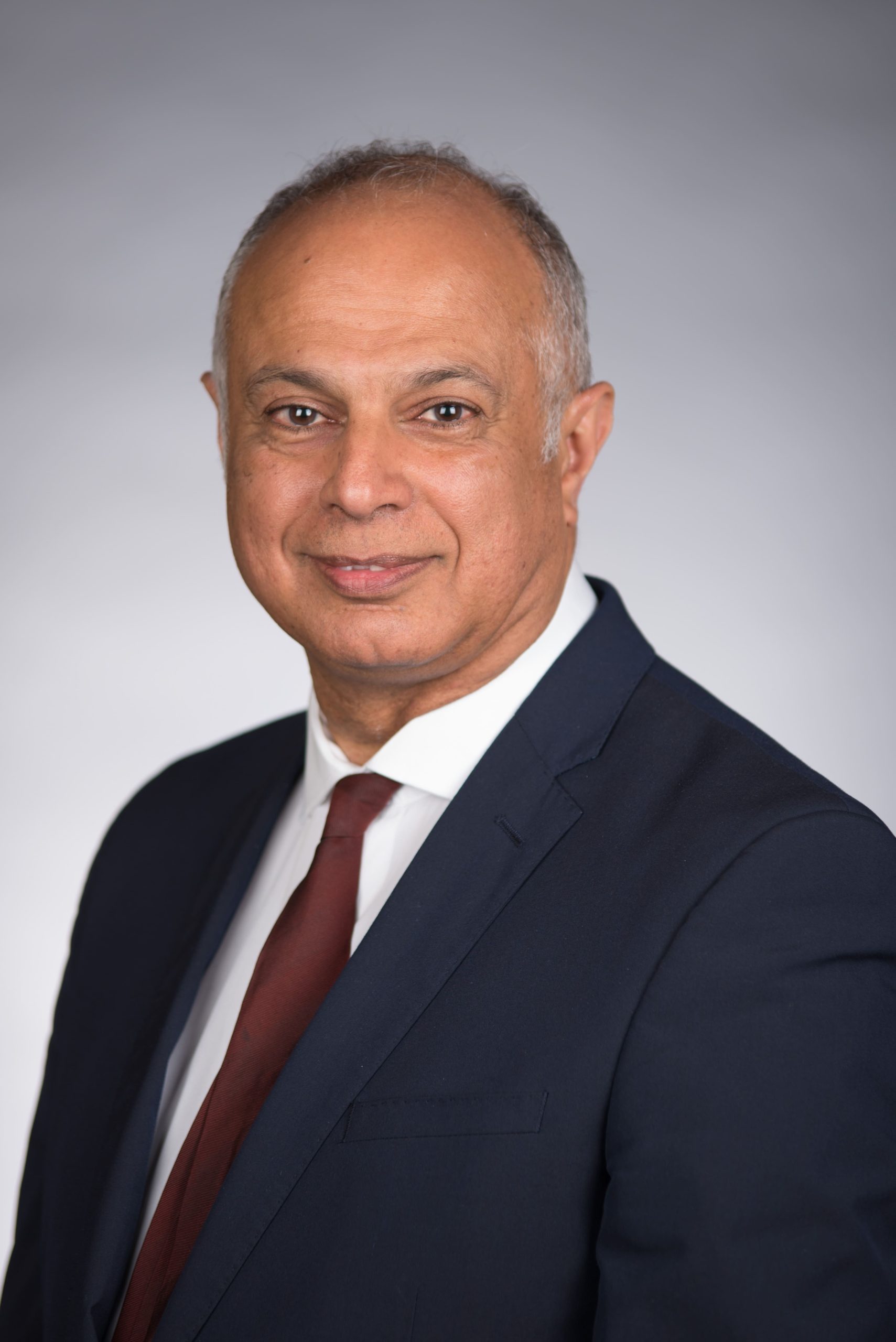
Professor Kamlesh Khunti is a Professor of Primary Care Diabetes and Vascular Medicine at the University of Leicester. He is Director of Leicester Diabetes Centre, Director of the NIHR Applied Research Collaborations (ARC) East Midlands, Director of Centre for Ethnic Health Research and Director of The Real-World Evidence Unit. He leads a programme of work on cardiometabolic diseases and multiple long-term conditions (MLTC). He was recently appointed as Director of the first NIHR Global Health Research Centre for Multiple Long-Term Conditions and is Co-lead for the Cross NIHR Collaboration for Multiple Long-Term Conditions. He is the national NIHR ARC Lead for MLTC.
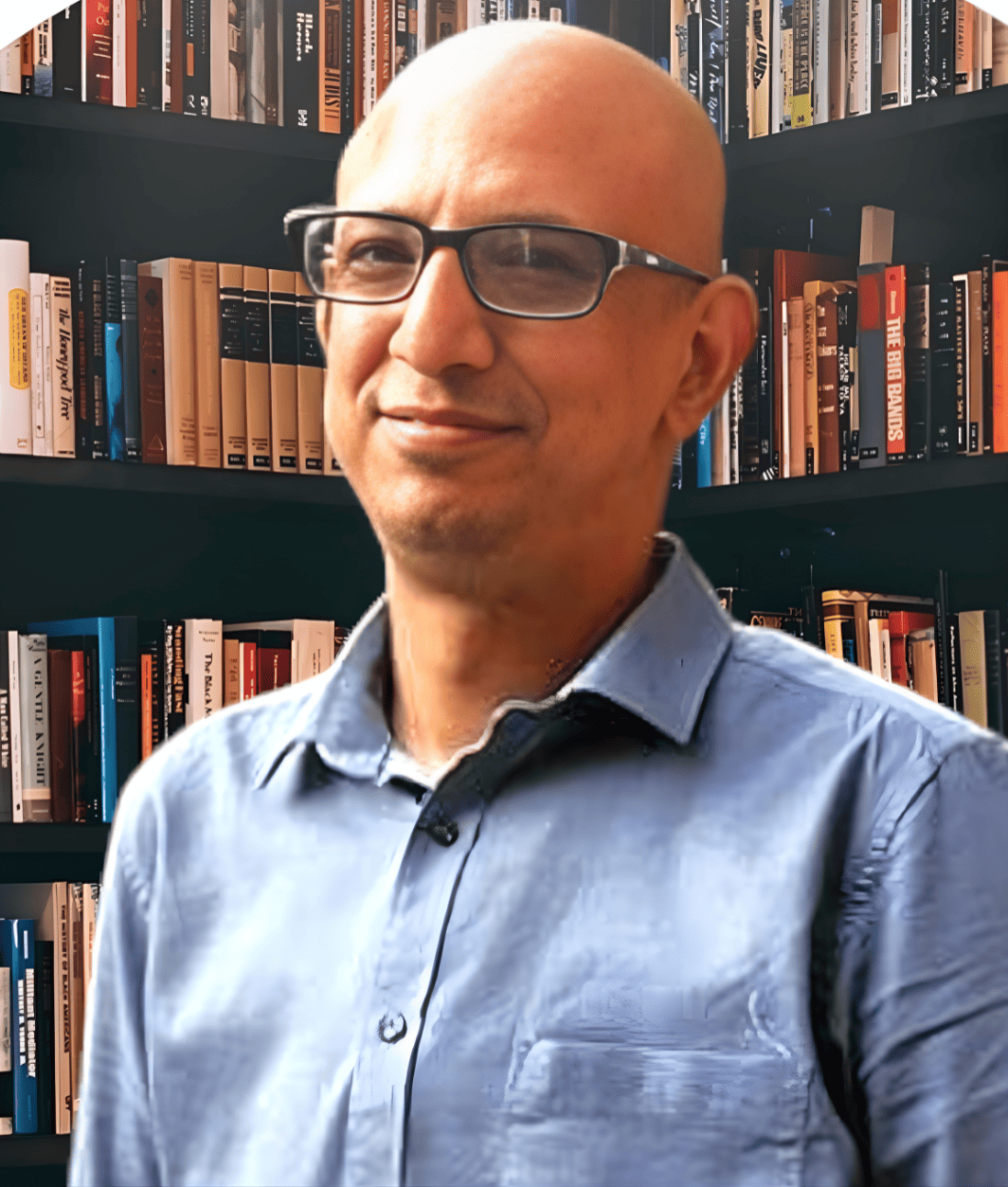
Abhinav Vaidya is Professor of Community Medicine at Kathmandu Medical College, Nepal and the National PI of the NIHR-GHRC for MLTCs. He holds Bachelor’s degree in medicine from Bangladesh (2000), MD in Community Medicine from Nepal (2006), and PhD from Sweden (2014). He is a leading academician, researcher, mentor and policy-influencer on non-communicable diseases (NCDs) in Nepal. He contributed to Nepal’s Multisectoral Action Plan for prevention and control of NCDs, WHO STEPs surveys, and NCD PEN Package implementation. He is a Lown Scholar at Harvard School of Public Health. He is Vice-President of the Nepal NCD Alliance and Chair of South-East Asia Region NCD Alliance (2025-2026).

Prof. (Dr.) Monika Arora is a leading public health scientist specializing in health promotion, NCD prevention and control, and child and adolescent health. She serves as Executive Director of HRIDAY and Vice President (Research) at the Public Health Foundation of India. As immediate past President of the NCD Alliance and a Founding Board Member of the India NCD Alliance, she has championed meaningful community engagement and amplified the voices of people living with NCDs in policy and research. She has contributed to multiple national and global expert committees on nutrition, NCDs and childhood obesity, and served as a Commissioner on the Lancet Commission on Adolescent Health. Her research outcomes have informed National and Regional Health Programmes. Prof. Arora has received numerous national and international awards, including the WHO DG Award and the Best Practices Award from the Global Health Council to name a few.

Dr. Kuldeep Singh is Professor and Head of Paediatrics and Head of Medical Education Technology at the All India Institute of Medical Sciences (AIIMS), Jodhpur, India. With over four decades of experience in teaching, clinical care and academic leadership, his interests include medical education, child health, public health, medical genetics and rare diseases. A former Dean (Academics) and former academic head of the School of Public Health, he has led major national initiatives, including the National Inherited Disorder Administration (NIDAN) Kendra, GenomIndia, Health Technology Assessment (HTA) and Satellite Tribal Health Research (STHR). He is one of the co-investigators for the project and Academic Lead for the NIHR GHRC for MLTC at AIIMS Jodhpur.
The NIHR Global Health Research Centre for Multiple Long-Term Conditions (MLTC) aims to make a meaningful difference in the lives of those experiencing MLTC. It is a five-year research-driven partnership between institutions in the United Kingdom, India and Nepal, funded by the National Institute for Health and Care Research (NIHR). The Centre is co-led by the Public Health Foundation of India and the University of Leicester in partnership with the All India Institute for Medical Sciences, Jodhpur; Health Related Information Dissemination Amongst Youth, New Delhi; Kathmandu Medical College, Nepal (co-applicant institutions) and other partners.
Despite its growing burden, MLTC have received minimal recognition from healthcare providers and policymakers. Health systems are still focused on individual disease management rather than having an integrated care model, resulting in the delivery of fragmented and inefficient care.
The Centre will strengthen research capacities and ecosystems of the co-applicant institutions and undertake extensive community engagement and involvement, and knowledge exchange interventions. This meaningful engagement with patients, caregivers, healthcare providers, communities, and relevant stakeholders at every stage of research will enhance ‘mutual learning’ to effectively address MLTC in both countries and beyond.